
Uncategorized
5 Signs You Might Have a Calcium Deficiency

Sep
Calcium doesn’t just build strong bones — it powers your muscles, nerves, heart rhythm, and blood clotting. Because your body holds onto calcium so tightly (pulling it from your bones when your diet falls short), deficiency symptoms often creep in slowly and get dismissed as “just tiredness” or “getting older.” Here are five real signs of calcium deficiency worth paying attention to, what causes it, and how to correct it.
1. Frequent Muscle Cramps and Twitches

Calcium plays a direct role in how muscles contract and relax. When levels drop, you may notice cramping in your legs (especially at night), twitching eyelids, or spasms in your hands and feet. This is one of the earliest and most common signs of calcium deficiency, according to the Cleveland Clinic, and it happens because nerves become more excitable when calcium is low.
2. Brittle Nails and Dry, Rough Skin
Calcium contributes to the structural health of nails and skin. Chronically low levels are linked with nails that split or break easily, and skin that becomes noticeably dry or flaky. On its own this isn’t a diagnosis, but paired with other symptoms on this list, it’s a signal worth checking.
3. Numbness or Tingling in Fingers and Around the Mouth
A classic clinical sign of significantly low calcium (hypocalcemia) is numbness or a “pins and needles” sensation, often starting in the fingers, toes, or around the lips. According to MedlinePlus (U.S. National Library of Medicine), this happens because calcium is essential for normal nerve signaling — when levels fall too far, nerves misfire.
4. Fatigue and Brain Fog
Persistent low energy, difficulty concentrating, or feeling mentally “foggy” can be tied to calcium’s role in nerve transmission and muscle function. It’s a non-specific symptom — plenty of things cause fatigue — but combined with cramping or tingling, it strengthens the case for getting your calcium levels checked.
5. Weak, Brittle Bones and Increased Fracture Risk
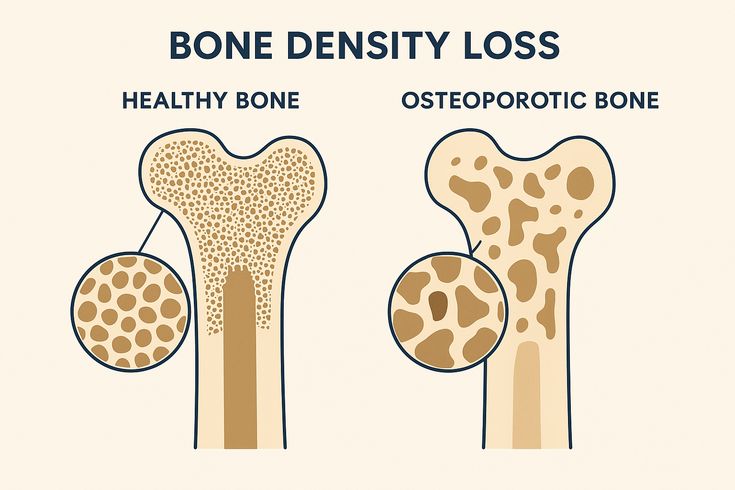
This is the long-game consequence. Since the body prioritizes calcium for heart and nerve function, it will pull calcium out of bone reserves when dietary intake is insufficient — gradually reducing bone density. Over years, this raises the risk of osteopenia, osteoporosis, and fractures, a concern the National Institutes of Health Office of Dietary Supplements highlights particularly for postmenopausal women and older adults.
Who’s Most at Risk?
- Postmenopausal women (estrogen decline accelerates bone calcium loss)
- People with lactose intolerance or dairy-free diets who don’t replace calcium from other sources
- Vitamin D deficiency (vitamin D is required to absorb calcium properly)
- Older adults in general, due to reduced absorption efficiency
- People with certain digestive conditions (like celiac or Crohn’s disease) that impair mineral absorption
How Much Calcium Do You Actually Need?
Most adults need roughly 1,000 mg of calcium per day, rising to around 1,200 mg for women over 50 and men over 70, per NIH guidelines. Rather than guessing, it helps to combine dietary sources with a daily habit you can track.
How to Correct a Calcium Deficiency
- Prioritize food first — dairy (milk, curd, paneer), sesame seeds (til), ragi, leafy greens like spinach, and almonds are all strong calcium sources common in Indian diets.
- Pair it with vitamin D — sunlight exposure and vitamin D-rich foods help your body actually absorb the calcium you eat.
- Cut back on excess salt and caffeine — both increase calcium loss through urine.
- Consider a supplement if diet alone isn’t enough — especially useful for vegetarians, lactose-intolerant individuals, or postmenopausal women. A calcium and bone-health formula like Modicare Well Calcium Complex is built around calcium paired with magnesium and vitamin D, which — as covered above — is exactly the combination your body needs to actually absorb and use calcium rather than just consume it. Browse this and other calcium and bone-health supplements in eBaggie’s Health Supplement category.
- Support your gut so nutrients actually get absorbed — calcium (and the vitamin D and magnesium that help it work) is absorbed through the gut lining, so digestive health matters more than people realize. This is one reason some people pair a calcium supplement with a daily wellness drink like Modicare Well Aloe Vera Juice, which supports general digestive comfort. (For a deeper look at what the research actually says, see our post on aloe vera juice benefits.)
- Don’t self-diagnose — a simple blood test confirms whether you’re actually deficient before you start supplementing heavily.
FAQs
What is the fastest way to know if I have a calcium deficiency? A blood test ordered by your doctor is the only reliable way to confirm it. Symptoms like cramping or tingling are signals to get tested, not a diagnosis on their own.
Can calcium deficiency be reversed? Yes, in most cases — through diet, vitamin D, and supplementation where needed, guided by your doctor.
Is milk the only good source of calcium? No. Ragi, sesame seeds, almonds, leafy greens, and fortified foods are all solid non-dairy sources, useful for anyone who’s lactose intolerant or vegan.
Should I take a calcium supplement even without symptoms? Not necessarily — talk to a doctor first, especially since excess calcium supplementation has its own risks, including kidney stones in some people.
What’s in Modicare Well Calcium Complex? Check the product page for the full ingredient list and dosage — formulas built around calcium plus vitamin D and magnesium are generally preferred because those nutrients work together for absorption, as explained above.
The Bottom Line
Muscle cramps, brittle nails, tingling fingers, fatigue, and weakening bones are the five signs of calcium deficiency worth taking seriously — especially if more than one shows up together. The fix usually starts with diet, vitamin D, and a proper blood test, with supplements as backup when needed. Explore calcium and bone-health support options like Modicare Well Calcium Complex in eBaggie’s Health & Beauty range, consider pairing it with Modicare Well Aloe Vera Juice to support digestion and nutrient uptake, and read our guide on how to improve immunity for a fuller wellness routine.