
Uncategorized
Aloe Vera Juice Benefits: Separating Myth from Science

Aug
Aloe vera juice has gone from a niche Ayurvedic remedy to a shelf staple in almost every health food store — and for good reason. It’s marketed as a cure for everything from bloating to dull skin to high blood sugar. But how much of that is backed by actual research, and how much is wellness-industry hype?
This guide breaks down what science really says about aloe vera juice benefits, clears up the most common myths, and explains what to look for if you’re buying a bottle — including where products like Modicare Well Aloe Vera Juice fit into the picture.
What Is Aloe Vera Juice, Exactly?

Aloe vera juice is made by grinding or extracting the gel from inside the aloe leaf and mixing it with water. Good-quality versions are filtered to remove aloin (the yellow latex layer just under the skin), which is the part linked to digestive irritation. It’s this gel — not the whole leaf — that most of the research on aloe vera juice benefits actually focuses on.
What the Science Actually Supports
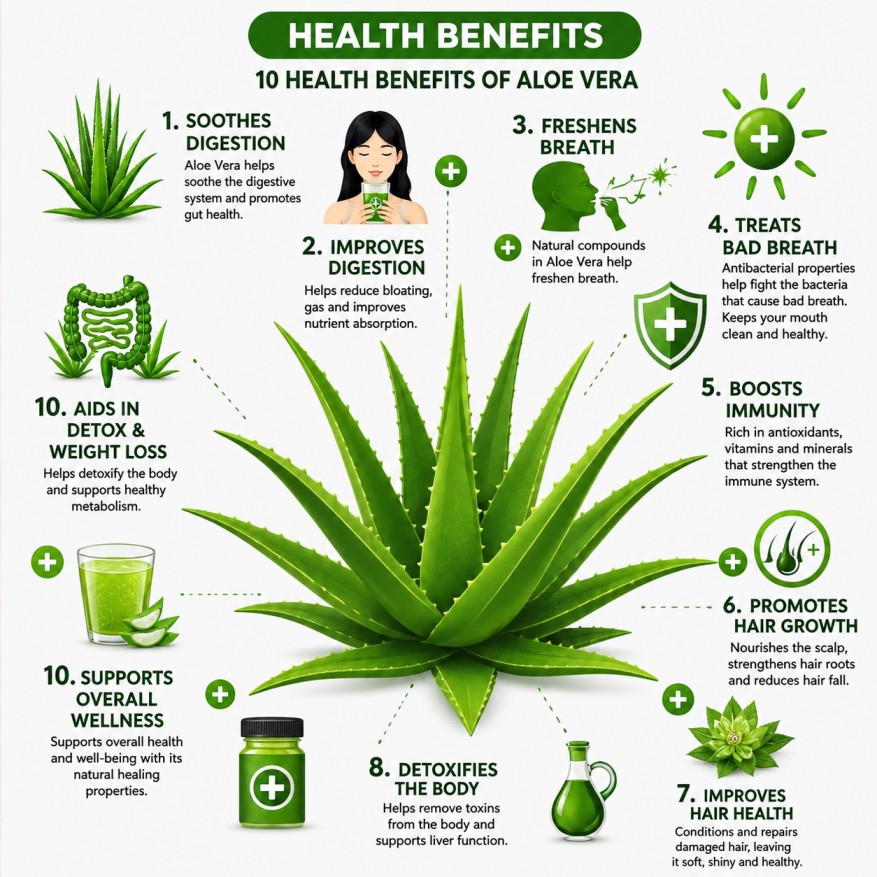
1. Digestive Comfort
This is where aloe vera juice has the most consistent research behind it. Its natural compounds may help soothe the gut lining, and small clinical studies have looked at aloe vera juice for symptoms of irritable bowel syndrome and general digestive discomfort, with some participants reporting relief comparable to over-the-counter options. That said, researchers are clear that more large-scale human trials are needed before it can be called a proven treatment.
2. Blood Sugar Support
Several studies — mostly in people with type 2 diabetes or prediabetes — suggest aloe vera juice may modestly help regulate fasting blood glucose, according to a review published via the National Center for Complementary and Integrative Health. The effect appears real but is not large enough to replace prescribed medication, and it should only be used alongside medical guidance, not instead of it.
3. Antioxidant Content
Aloe vera juice contains polyphenols and other antioxidant compounds that help the body manage oxidative stress. This is a genuine, measurable benefit — though it doesn’t mean the juice alone will prevent chronic disease, as Healthline’s evidence-based review points out.
4. Hydration and a Low-Calorie Alternative
An 8-oz glass of pure aloe vera juice is very low in calories and sugar, making it a reasonable swap for sugary juices or soft drinks, as noted by the Cleveland Clinic. This is more of a practical nutrition win than a “miracle” benefit — but it’s real.
5. Oral and Gum Health
Some research has looked at aloe-based mouth rinses and their effect on gum inflammation and plaque, with encouraging early results.
Myths Worth Retiring
- “It detoxes your body.” Your liver and kidneys already do this job. There’s no clinical evidence that aloe vera juice removes toxins.
- “It cures diabetes, IBS, or acid reflux.” It may support management of symptoms in some people, but it is not a substitute for diagnosis or treatment.
- “More is always better.” Aloe vera juice is not calorie- or compound-free. Overuse — especially of poorly filtered products containing aloin — can cause cramping or diarrhea, a concern flagged by both WebMD and Mayo Clinic.
- “It works the same as applying aloe gel to skin.” Topical and oral aloe have different, mostly separate bodies of research. Don’t assume a skin benefit translates to a drinking benefit.
Who Should Be Cautious
Pregnant or breastfeeding women, anyone on diabetes or blood-thinning medication, and people with existing bowel conditions should check with a doctor before adding aloe vera juice to their routine. Quality matters too — always choose a product where the aloin/latex layer has been filtered out.
What to Look for When Buying Aloe Vera Juice
- Purity — check that it’s aloin-free or “decolorized.”
- No added sugar — many commercial juices dilute the benefit with syrup.
- Trusted sourcing — look for standardized, lab-tested formulations rather than unbranded extracts.
This is where a product like Modicare Well Aloe Vera Juice (1L) is worth considering — it’s a filtered, ready-to-drink option designed for daily use, without needing to process raw aloe leaves at home. You can browse it alongside other wellness picks in eBaggie’s Health & Beauty and Health Supplement collections.
How to Add Aloe Vera Juice to Your Routine
- Start small — 30–50 ml diluted in water, once a day, and see how your body responds.
- Take it on an empty stomach in the morning if using it for digestion.
- Avoid combining with other laxatives or diabetes medication without medical advice.
- Pair it with an overall balanced diet — aloe vera juice supports wellness, it doesn’t replace it. For more on that, see our post on how to improve immunity.
FAQs
Is aloe vera juice good for you? In moderate, well-filtered amounts, yes — it offers modest, evidence-backed support for digestion, hydration, and antioxidant intake. It’s not a cure-all.
Can aloe vera juice help with weight loss? Not directly. It has no fat-burning properties; any benefit is indirect, from replacing higher-calorie drinks.
Is it safe to drink aloe vera juice every day? Generally yes, in small quantities and from a reputable, filtered source — but check with a doctor if you’re pregnant, on medication, or have a digestive condition.
Does Modicare Well Aloe Vera Juice contain added sugar? Check the product label on the product page for full ingredient and nutrition details before purchase.
The Bottom Line
Aloe vera juice benefits are real but modest — better filed under “supportive daily habit” than “miracle cure.” The science backs digestion, mild blood sugar support, antioxidants, and hydration; it doesn’t back detox claims or disease cures. If you want to try it, choose a filtered, trusted, sugar-free option like Modicare Well Aloe Vera Juice, available on eBaggie.com.