
Uncategorized
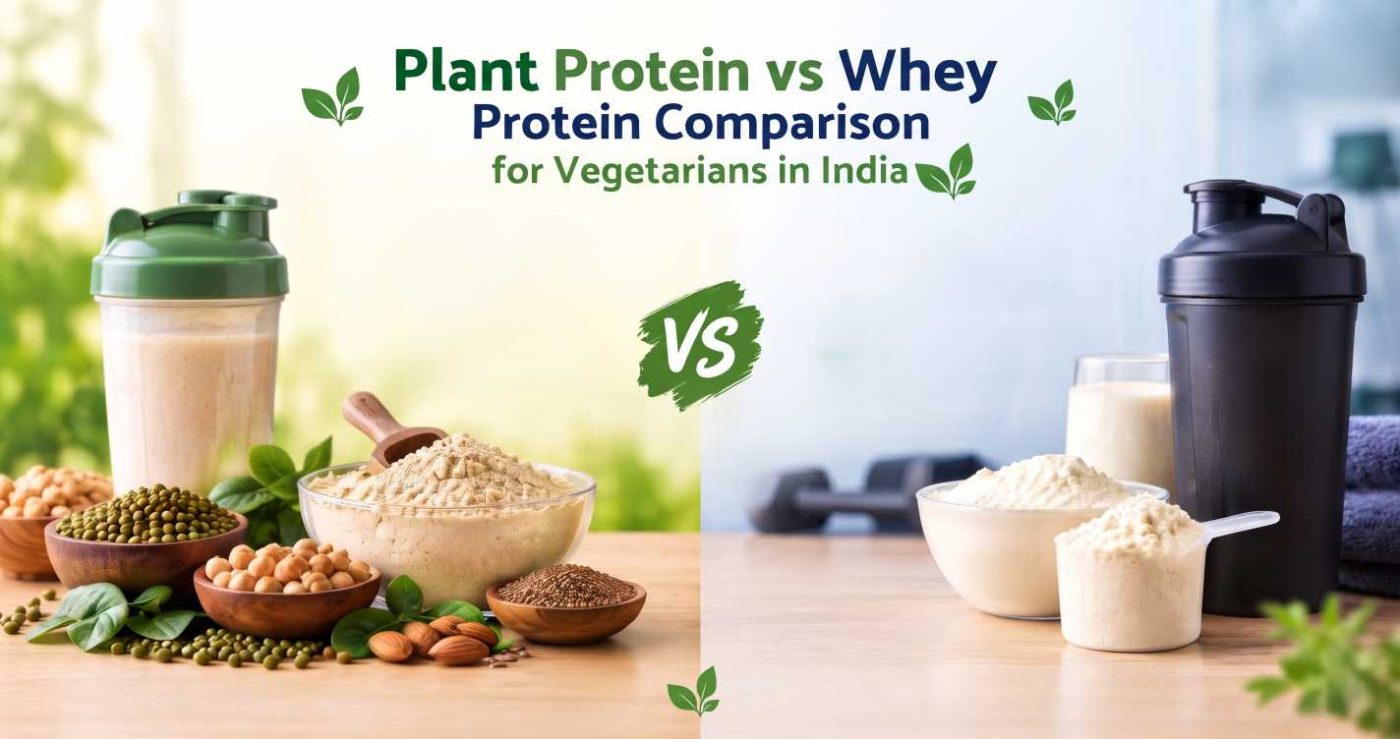
Plant Protein vs Whey: How to Choose a Protein Powder as a Vegetarian in India
Nov
Getting enough protein is harder on a vegetarian diet, and a powder can help close the gap, but whey and plant protein suit different people. This guide explains the difference in plain terms so you can choose with confidence.
Do You Actually Need Protein Powder?
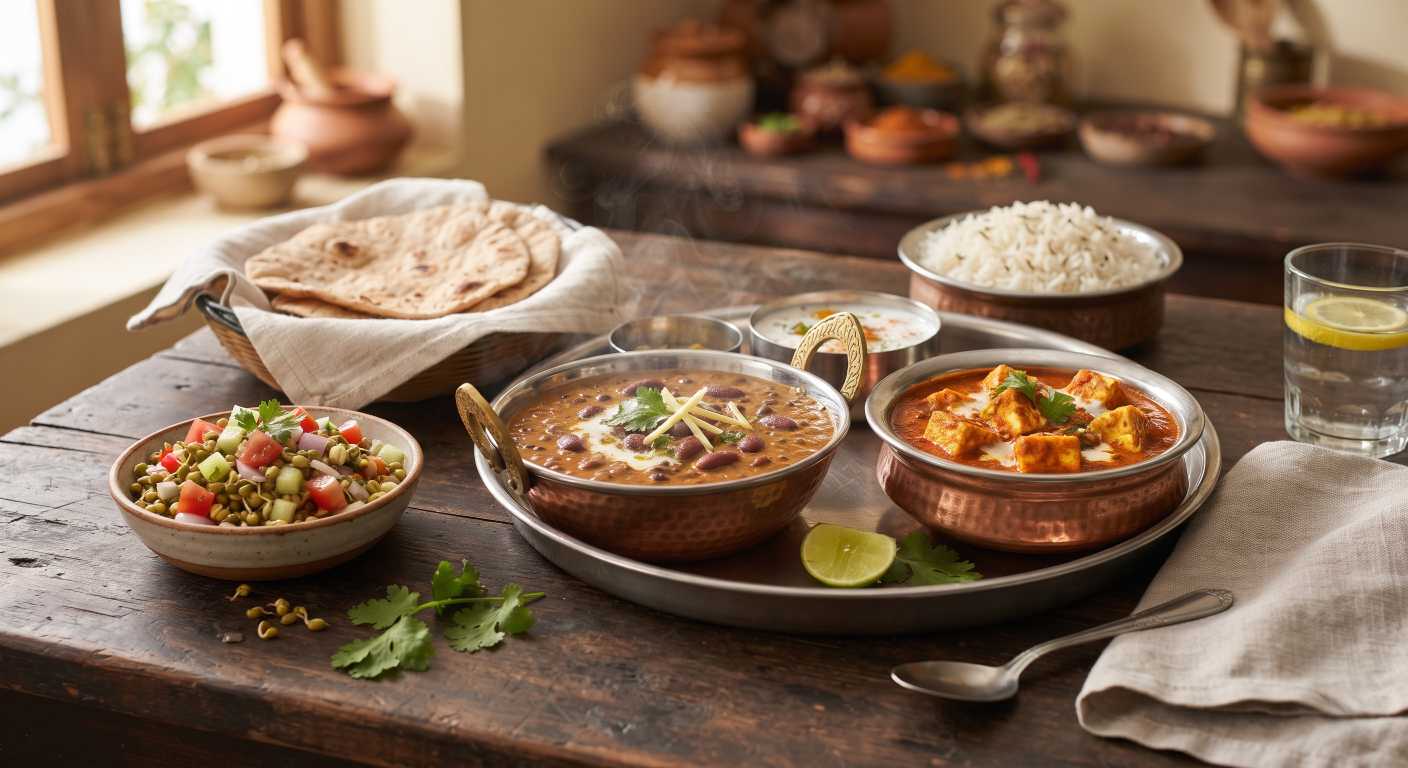
For most healthy people, food comes first. The ICMR-NIN Dietary Guidelines for Indians (2024) put the protein requirement for a healthy adult at about 0.83 grams per kilogram of body weight per day, and say a balanced diet can meet it. The guidelines also caution that long-term use of large amounts of protein powder or concentrates has been linked to bone mineral loss and kidney damage.
A powder makes sense mainly when you genuinely fall short, for example if you train regularly, eat few dals, paneer or curd, or have a busy day with skipped meals. If that sounds like you, the rest of this guide helps you pick well. For everyone else, dal, curd, paneer, chana and sprouts are a better first step.
Is Whey Vegetarian in India?
Yes, in most cases. Whey is made from milk, a by-product of making cheese or paneer, and Indian whey products carry the green vegetarian dot. It is not vegan, though, and some people avoid it for personal or religious reasons. If you avoid dairy entirely, choose plant protein.
What Is Whey Protein?
Whey is a milk protein rich in essential amino acids, including leucine, and most people digest it easily. It comes in three forms:
- Whey concentrate: the most common and affordable, with a little lactose and fat.
- Whey isolate: more filtered, with more protein per scoop and less lactose.
- Whey hydrolysate: pre-digested for faster absorption, usually the most expensive.
What Is Plant Protein?
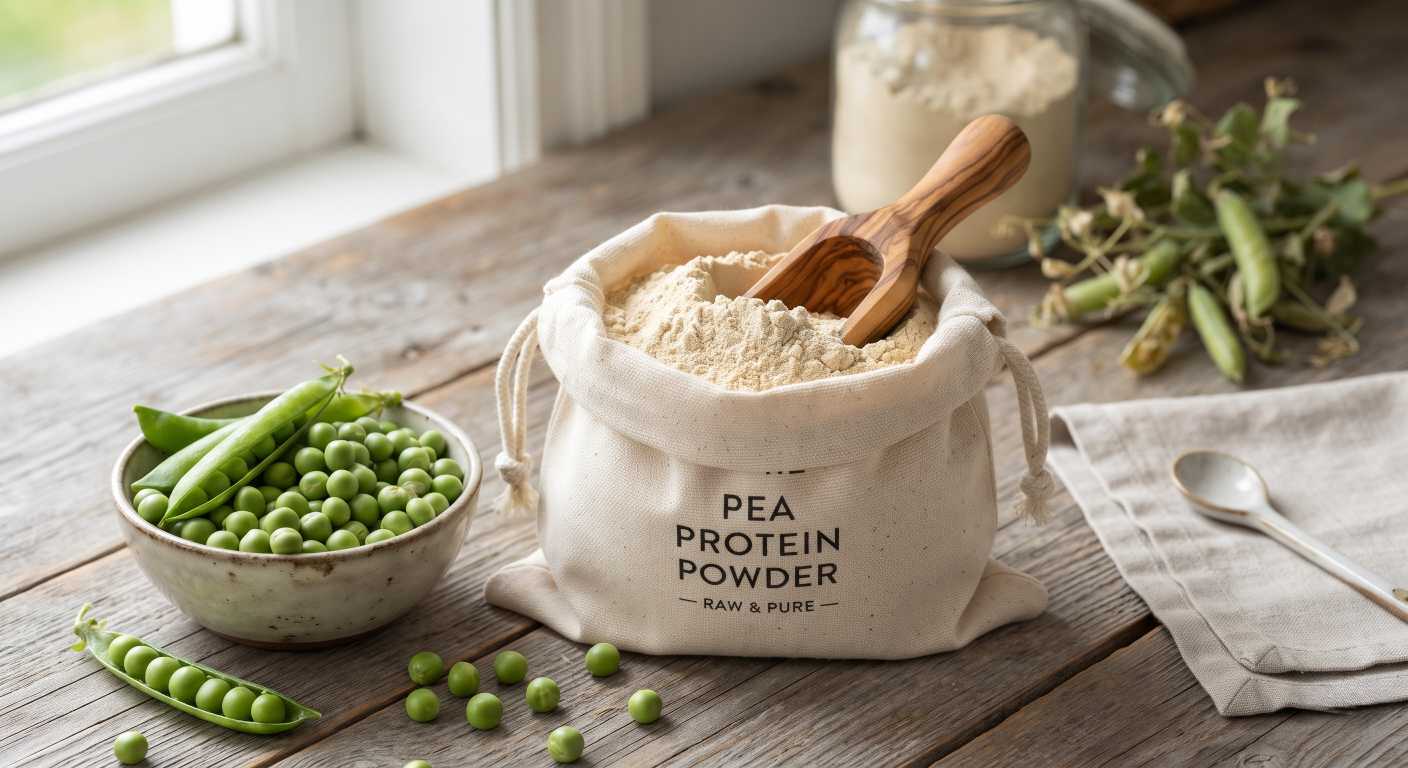
Plant protein powders are made from pea, rice, soy, hemp, pumpkin seed or a blend. A single plant source can be low in some essential amino acids, so good plant powders often combine sources, such as pea and rice, to give a fuller amino acid profile.
Plant Protein vs Whey: Side by Side
| Whey Protein | Plant Protein | |
|---|---|---|
| Source | Milk | Peas, rice, soy, seeds, etc. |
| Vegetarian in India? | Yes (green dot) | Yes |
| Vegan? | No | Usually yes (check label) |
| Lactose | Present in concentrate, little in isolate | None |
| Amino acid profile | Complete | Complete in blends, varies in single sources |
| Digestion | Good for most, may cause bloating if lactose intolerant | Generally gentle, but can cause gas in some people |
| Taste and texture | Smoother, creamier | Slightly earthy or grainy |
| Price | Varies widely | Varies widely |
| Allergy concerns | Milk allergy | Soy or other source-specific allergies |
Neither is automatically “better.” The right one depends on you.
Which One Should You Choose?
Choose whey if:
- You’re comfortable with dairy and don’t have lactose issues.
- You want a smooth taste that mixes easily.
- Your goal is muscle gain or recovery after strength training.
Choose plant protein if:
- You’re lactose intolerant or find dairy heavy on your stomach.
- You follow a vegan or dairy-free diet.
- You prefer a lighter option for daily use.
- You have a milk allergy (after checking with your doctor).
How to Read a Protein Powder Label
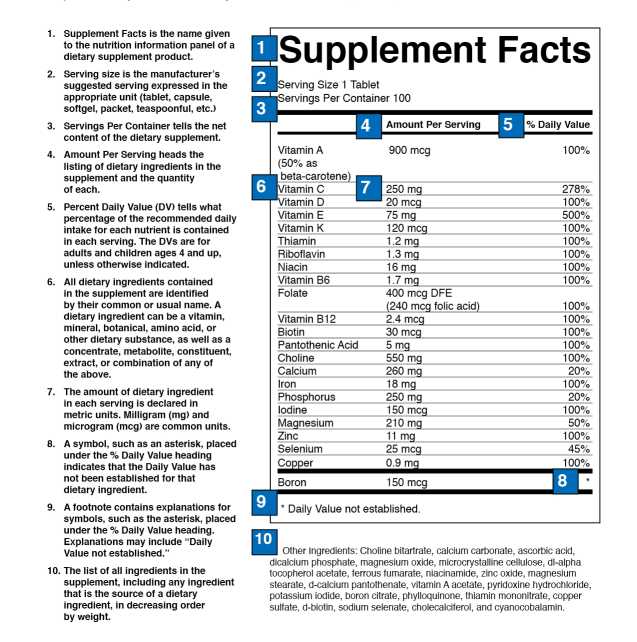
Harvard’s Nutrition Source advises reading the nutrition and ingredient labels before buying, because powders can hide large amounts of added sugar and calories. Check these points:
- Protein per scoop, not the tub weight. Compare grams of protein per serving.
- First ingredients. Whey, pea or rice should lead, not fillers.
- Added sugar and flavourings. Fewer is better, especially for children and anyone watching blood sugar.
- Blend of sources. Plant blends usually cover more amino acids.
- FSSAI licence number and, where available, independent lab testing. You can read about the regulator at FSSAI.
- Expiry and batch details, every time.
- Price per serving. Divide the price by the number of servings to compare fairly.
Protein Powder Options on eBaggie
- If you decide a powder suits you, you can browse all protein powders on eBaggie. Two options to look at:
- Modicare All Plant Protein Powder (200 g): a dairy-free choice for people who avoid whey or prefer plant sources.
- Modicare Well Protein Crest, Velvet Chocolate (500 g): a flavoured option. Read the product label for its protein source and serving size to see whether it fits your needs.
Whichever you pick, start with a small pack and see how your body responds.
How Much Protein Do You Need?
For a healthy adult, ICMR-NIN’s figure is about 0.83 g per kg of body weight a day, so roughly 50 g for a 60 kg person. People who lift weights need more, but the guidelines note that gains level off above about 1.6 g per kg. Get most of it from food and use powder only for the shortfall. A doctor or dietitian can give you a personal number.
Easy Ways to Use Protein Powder

- Smoothies: blend with banana, milk or a plant drink, and a spoon of peanut butter.
- Oats or porridge: stir a scoop in after cooking, once it cools slightly.
- Pancakes, dosa, or chilla batter: add a spoonful for extra protein.
- Lassi or buttermilk: mix well to avoid lumps.
- Energy balls: combine with dates, nuts, and seeds.
Pair these with everyday foods that support your routine, and see our guide on how to improve immunity for more healthy habits.
Common Mistakes to Avoid
- Buying only on price or brand name, without reading the label.
- Taking too much. More protein doesn’t mean faster results, and extra amounts can strain digestion.
- Ignoring digestion signals. Bloating or stomach upset is a sign to try a different type.
- Giving adult protein powder to children without medical advice.
- Skipping real protein foods like dal, paneer, curd, sprouts, and soy.
Who Should Be Careful?
Talk to a doctor before using protein powder if you have kidney problems, liver conditions, diabetes, or allergies, if you’re pregnant or breastfeeding, or if you’re buying for a child or teenager.
FAQs
Is whey protein vegetarian in India? Mostly yes. It comes from milk and Indian products carry the green dot, but it is not vegan.
Which protein powder is better for lactose intolerance? Plant protein is usually easier, since it has no lactose. Whey isolate has very little lactose, but check how you feel.
Can I take plant protein every day? For most healthy adults a daily scoop to cover a shortfall is fine, but food should supply most of your protein. Ask a doctor if you have a health condition.
How much protein powder should I take a day? Only as much as fills the gap between your food intake and your target. One scoop a day is a common starting point, per the label.
Final Thoughts
Whey and plant protein can both work for vegetarians in India. Whey suits people who tolerate dairy, and plant protein suits those who avoid it. Eat dal, paneer, curd and sprouts first, read the label, and use a powder only for a real gap. When you are ready, explore our vitamin supplements and health supplements, or read more on the eBaggie blog.